
Introduction to Steel Frame Safety
Importance of Safety in Steel Frame Structures
Steel frame structures provide robust and durable frameworks for a variety of buildings and facilities, making them a popular choice in construction. However, the complexity of steel frame construction and the considerable weights involved mean that safety is paramount. Ensuring safety in these structures helps to protect workers, prevent accidents, and ensure the longevity and stability of the building. Unsafe practices or overlooked safety measures can result in serious injuries, fatalities, and structural failures, leading to financial and legal repercussions.
Overview of Risks Associated with Structural Openings and Alterations
Structural openings and alterations in steel frames introduce several risks, including:
- Falls from heights: Workers are vulnerable to falls during open frame construction and alteration tasks.
- Materials being dropped: Dropped tools or materials pose significant injury risks.
- Struck by moving steel: Workers may get hit by moving or swinging steel members or decking packs.
- Unintended structural collapse: An unbraced or inadequately supported structure might collapse during alteration.
- Manual handling injuries: Heavy and awkward loads increase the risk of musculoskeletal injuries.
- Equipment overturning: Cranes, MEWPs, and other machinery might tip over, causing serious accidents.
Key Regulations and Standards Governing Steel Frame Safety in the UK
The UK’s construction industry abides by several regulations and standards to ensure steel frame safety. These include:
- BS 5950 – This set of standards covers the design, construction, fire protection, and specifications for steel structures.
- The Health and Safety at Work etc. Act 1974 mandates overarching safety duties for employers, employees, and public safety during construction.
- Construction (Design and Management) Regulations 2015 (CDM 2015) aim to ensure health and safety are considered throughout a project’s lifecycle.
- Eurocodes are European standards which encompass structural design and ensure buildings can withstand various forces like wind and seismic activities.
By understanding and adhering to these regulations, construction projects can achieve compliance, ensure worker safety, and maintain structural integrity throughout the build and beyond.

Planning and Assessment
Conducting Thorough Structural Assessments Before Alterations
Before undertaking any alterations on steel frame structures, it is crucial to conduct comprehensive structural assessments. These assessments serve to ensure that the existing structure can support the proposed changes and to identify any potential issues that might pose safety concerns.
A thorough structural assessment should consider the building’s current load capacity, material properties, and any previous wear and tear. It is advisable to engage qualified structural engineers to carry out these assessments, ensuring all findings are documented meticulously. This helps avoid future complications and ensures compliance with relevant safety standards and codes.
Developing a Sequential Method for Alterations in Consultation with Designers
Alterations to steel structures should follow a logical, sequential method. This approach involves planning each step in consultation with designers and engineers. Creating a step-by-step plan helps in scheduling the order of tasks, allocating resources effectively, and ensuring the structural integrity at every phase of the project.
This includes detailing how temporary supports, bracings, and other safety measures will be implemented. Early consultation with designers also allows for potential issues to be addressed, reducing the risk of delays and ensuring that the project adheres to design specifications.
Identifying Potential Hazards and Implementing Control Measures
Identifying potential hazards is a critical step during the planning and assessment phase. Key hazards in steel frame alterations include exposure to sharp edges, heavy materials, and the risk of structural collapse during modifications. Once identified, these hazards should be managed through appropriate control measures such as the use of personal protective equipment (PPE), installation of safety barriers, and implementation of temporary structural supports. Utilising hazard control measures not only protects workers but also ensures the ongoing stability and integrity of the steel structure.
Control Measures to Consider
- Use of PPE such as gloves, helmets, and safety harnesses.
- Installation of edge protection to prevent materials from falling.
- Implementation of temporary bracing and supports to maintain structural stability.
- Regular inspections and continuous monitoring of the site for new hazards.
Careful planning and assessment are essential for the safe execution of structural openings and alterations in steel frames. By conducting thorough structural assessments, developing a detailed sequential method in consultation with designers, and identifying potential hazards with appropriate controls, the safety and integrity of steel structures can be preserved. These steps lay the foundation for further safety measures discussed in subsequent chapters, such as fall protection and safe use of equipment and machinery.
Fall Protection Measures
Ensuring robust fall protection measures is critical in maintaining safety during steel frame structural openings and alterations. The negligence of fall protection systems can lead to severe injuries or fatalities, which is why strict adherence to established guidelines and practices is required.
Implementing Proper Fall Protection Systems
Fall protection systems are designed to prevent workers from falling off elevated work platforms, steel beams, and other high locations. These systems can include guardrails, safety nets, and personal fall arrest systems (PFAS).
Guardrails
Guardrails provide a physical barrier preventing accidental falls and must be installed around open sides and ends of platforms. They should be sturdy and conform to requirements for height and strength.
Safety Nets
Safety nets can catch falling workers, reducing the risk of injury. They should be installed as close as possible beneath the work area and maintained regularly.
Personal Fall Arrest Systems
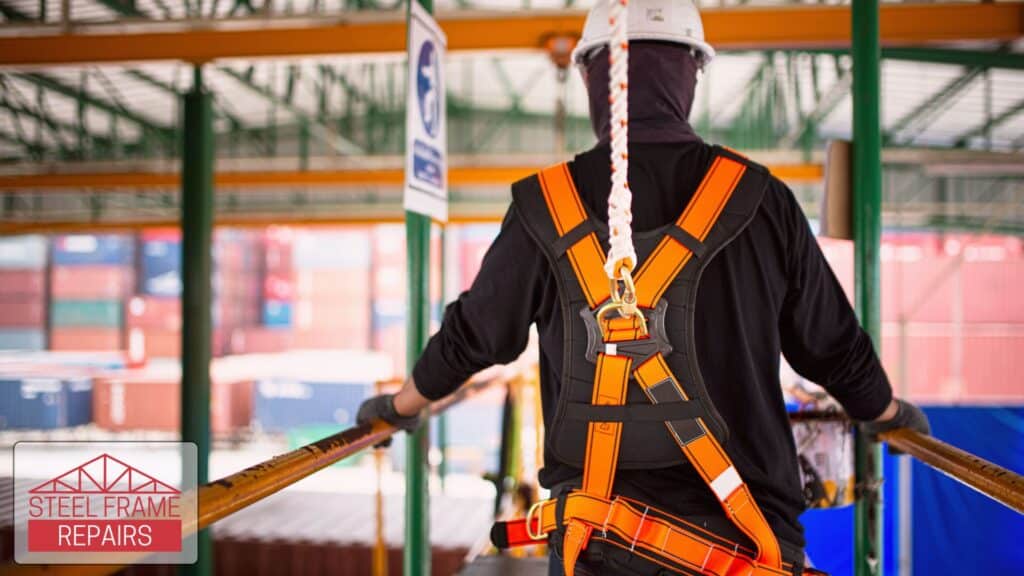
PFAS include a combination of harnesses, connectors, and an anchorage system. Workers must be trained to use these systems correctly, ensuring they are secured safely and the components are in good working condition.
Use of Suitable Working Platforms
Working platforms must be stable and secure to provide a safe environment for workers involved in steel frame alterations.
Scaffolding
Scaffolding should be erected and dismantled only by qualified personnel. It must be regularly inspected to ensure stability and strength. Proper access and egress points should be installed to reduce fall risks.
MEWPs
MEWPs provide a flexible and mobile solution for working at height. Operators must be adequately trained, and the equipment should be inspected before use to ensure it is in good condition and stable.
Proper Use of Personal Protective Equipment
Personal Protective Equipment (PPE) is essential for worker safety during structural openings and alterations. Correct use of PPE, including harnesses and lanyards, can significantly mitigate fall risks.
Harnesses
Workers must wear full-body harnesses that fit correctly and are appropriate for the work being conducted. Regular inspections and maintenance ensure these harnesses are effective in preventing falls.
Lanyards
Lanyards connect harnesses to an anchor point or a lifeline. They should be of appropriate length and strength to stop a fall safely. Shock-absorbing lanyards can help to reduce the forces experienced during a fall.
Proper implementation and adherence to fall protection measures play a vital role in maintaining the safety and well-being of workers engaged in steel frame structural alterations. These measures, combined with ongoing training and communication, ensure that construction sites remain safe and compliant with regulations.

Structural Stability During Alterations
Integral Stability Through All Stages
Ensuring the integral stability of steel frame structures during alterations is essential for maintaining safety. Stability is not just about keeping the structure upright but ensuring it can withstand various loads throughout different stages of alteration. Even minor modifications can introduce new loads and forces that the original design may not have anticipated.
Temporary support systems, such as bracing or guys, must be designed, installed, and maintained to withstand foreseeable loads. Structures should never be overloaded during these processes. Adding bracing and stiffening elements can minimise deflection and ensure the building withstands lateral loads effectively.
Use of Temporary Bracing, Guys, or Stays
Temporary bracing is crucial in maintaining structural stability during alterations. The purpose of this bracing is to provide interim stability and stiffness until all structural elements are assembled. For example, the wind load on a skeleton of bare frames can be more significant than on a fully sheeted building.
A properly designed bracing system, which might include the use of guy wires or cables, can act as a temporary lateral load-resisting system, transferring applied lateral loads as shears across the column base plate. This method is particularly effective for maintaining stability during the addition of new elements or the removal of old ones.
Regular Checks to Maintain Structural Integrity
Regular inspections are crucial for maintaining the structural integrity of steel frames during alterations. Qualified professionals should carry out these inspections, paying close attention to all mechanical properties, including joints, welds, and connections.
Key aspects to monitor during inspections include:
- Checking for signs of damage, corrosion, and cracks.
- Ensuring connections and welds are intact and functioning as designed.
- Verifying the integrity of temporary bracing and other support systems.
Visual inspections can reveal many visible problems. For a more thorough examination, testing of materials and ongoing inspections from the foundation to the roofing help ensure that all elements of the structure withstand environmental stresses and loads over time.
Maintaining structural stability during steel frame alterations requires a vigilant approach involving temporary bracing, regular inspections, and ensuring all load-bearing elements are secured. By focusing on these critical aspects and adhering to best practices, safety can be effectively managed during any structural modification.

Safe Use of Equipment and Machinery
Proper Selection and Use of Lifting Equipment
Selecting the appropriate cranes, hoists, and other lifting equipment for steel frame alterations is crucial for ensuring safety. Begin by evaluating the project’s specific requirements, including load weight, lift height, and horizontal moving distance. Considerations such as site access, terrain conditions, and potential safety issues are essential in selecting equipment that meets the necessary lifting capacity and stability requirements.
Before operations commence, ensure all safety devices and load limits are strictly adhered to and that rigging equipment undergoes monthly inspections for defects and annual evaluations. Position the crane directly over the load to minimise swinging, and avoid raising loads higher than needed to clear objects. It is critical to prohibit workers from riding on loads or hooks, and moving loads over personnel must be strictly avoided .
Ensuring Ground Stability for Heavy Machinery
Ground stability is a cornerstone of safety when operating heavy machinery on construction sites. Conduct regular inspections of walking-working surfaces to ensure they can support the maximum intended load. Address potential hazards such as loose soil, uneven terrain, and hidden underground obstacles. Using ground protection mats over unstable areas can help improve safety conditions.
Special attention must be paid to dangerous ground conditions that can evolve rapidly due to weather or site activities. Loose soil or gravel can lead to landslides, while embankments might collapse if not secured properly. Regularly check and maintain the ground conditions to mitigate these risks.
Implementing Traffic Management to Prevent Equipment Accidents
Effective traffic management is vital to ensuring safety around heavy machinery. Establish clear zones for machinery operation, and limit access to essential personnel only. Use designated pathways and signals to manage the flow of equipment and personnel on-site.
Implement safety measures such as speed limits, spotters, and clearly marked pedestrian areas to prevent collisions and accidents. Ensure operators are properly trained in traffic management protocols and are always aware of their surroundings during machinery operation. Continuous oversight and adjustments in traffic management plans are needed to handle the dynamic nature of construction sites.
Material Handling and Storage
Safe Storage and Handling of Steel Components
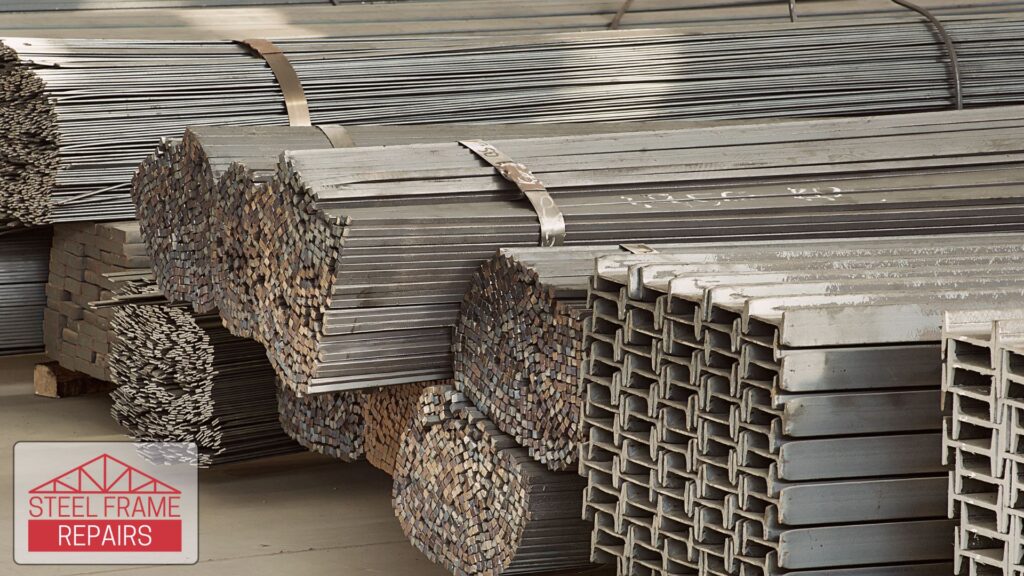
Proper storage and handling of steel components are vital for maintaining safety on site. Steel should be stored above ground level by at least 150 mm on platforms, skids, or any other suitable supports to prevent distortion of sections and avoid corrosion from ground moisture. In coastal areas or where storage is prolonged, applying a protective coating of primer can prevent scaling and rusting.
Preventing Dropped Materials Through Proper Edge Protection
To prevent materials from falling and causing injuries, it is essential to employ protective measures such as:
- Using debris nets or catch platforms to catch falling objects
- Securing tools and materials to prevent them from falling on individuals below
- Ensuring all tools and materials are kept at least 3 feet from any leading edges unless in use for ongoing work
- Avoiding hanging or draping items over guardrails
Minimising Manual Handling Risks Through Planning and Use of Aids
Manual handling poses significant risks, but these can be mitigated through various strategies:
- Ensuring that workers are trained in the correct techniques for manual handling jobs
- Using mechanical aids such as cranes, hoists, or lifting equipment to handle heavy loads
- Breaking up large consignments into smaller loads to make them more manageable
- Designing the workplace to reduce carrying distances, twisting movements, and the need to lift items from floor level or above shoulder height
- Planning regular breaks and rotating jobs to avoid excessive work rates and tight deadlines
- Using proper techniques to decrease forces in lifting, handling, pushing, and pulling
Implementing these best practices ensures the safe handling and storage of steel components, mitigating risks for workers and maintaining a safer construction site environment.
Worker Training and Communication
Providing Comprehensive Safety Training for All Workers
Ensuring safety in steel frame construction hinges on comprehensive training. Every worker must undergo rigorous safety training tailored to their specific roles. Training should cover the use of personal protective equipment (PPE), emergency protocols, and correct equipment operation. OSHA guidelines stress the importance of safety education, advocating a detailed step-by-step training manual that functions both as a safety reference and an instructional guide for construction tasks.
Establishing Clear Communication Protocols for Hazard Identification
Clear and effective communication is vital for identifying and mitigating hazards in steel frame construction. Setting up protocols ensures that all workers are informed about potential risks and the necessary precautions. Regular safety meetings and briefings are essential. Establishing an open line of communication where workers can report hazards without fear of reprisal helps maintain a safe working environment. Research emphasises the need for comprehensive safety management systems that include these elements.
Ensuring Workers Understand and Follow Design Specifications
Following design specifications precisely is critical in steel frame construction to prevent structural failures. Training sessions should include detailed reviews of design plans, emphasising critical components and construction sequences. Workers must understand the implications of deviations from these plans and the associated risks. Continuous education and refresher courses can help reinforce the importance of adhering to design specifications. Collaborating with experienced designers and engineers ensures that workers are well-informed about the latest construction methods and safety protocols.
Ultimately, worker training and communication are pivotal in creating a safe work environment in steel frame construction. An educated workforce aware of hazards and comprehension of design specifics can significantly diminish the risk of accidents, ensuring the integrity and longevity of the structure.
Post-Alteration Checks and Maintenance
Conducting Thorough Inspections After Alterations
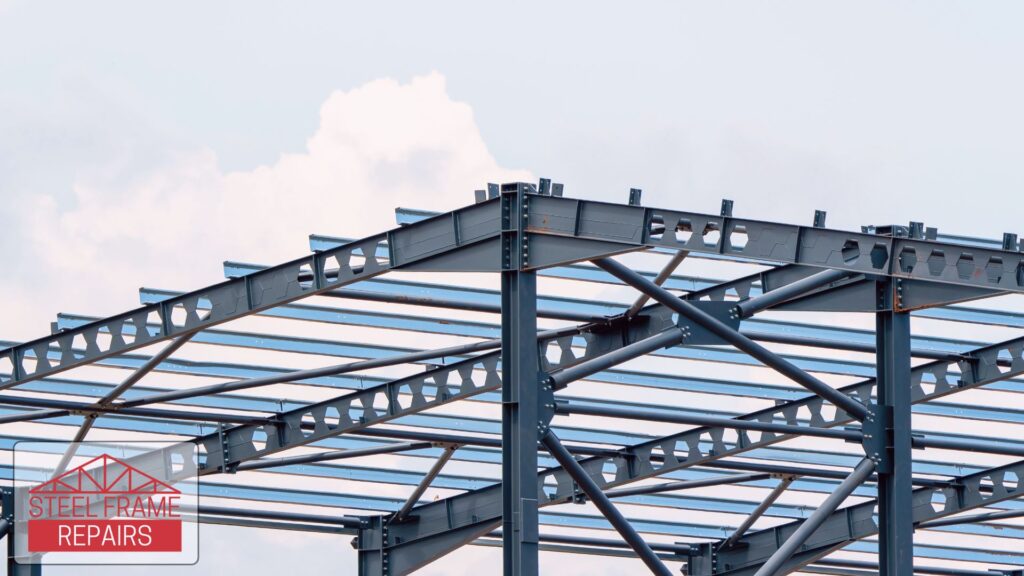
Following any structural opening or alteration, conducting a comprehensive inspection is crucial to ensure the ongoing safety and stability of the steel frame structure. These inspections should focus on key areas such as the connections between columns and beams, the condition of anchor bolts, weld quality, and overall structural alignment. Regular assessments allow for the identification and timely addressing of potential defects that might compromise safety.
Implementing Regular Maintenance Schedules
To preserve the structural integrity of the altered steel frame, a regular maintenance schedule must be established. Regularly cleaning the structure to remove dirt, debris, and other contaminants is fundamental to preventing corrosion. Applying protective coatings such as rust inhibitors or paint further guards against environmental damage.
Routine maintenance tasks should include:
- Inspecting for and repairing any cracks in the foundation or walls, as these could indicate deeper structural issues.
- Checking the eaves and roofline for sagging or unevenness, which may signify trouble with the trusses or framing.
- Coating exposed steel components with paint or other protective layers to enhance their durability.
Ensuring Ongoing Structural Integrity Through Periodic Assessments
Periodic structural assessments are necessary to monitor and ensure the steel frame’s ongoing integrity. An engineer should conduct these inspections, focusing on potential issues such as corrosion, fatigue, or other forms of structural degradation. Regular monitoring allows for early detection and timely rectification of problems before they escalate.
Moreover, maintaining detailed records of all inspections, maintenance activities, and any alterations made to the structure is equally important. This proactive documentation supports continued safety and provides invaluable information for future assessments and maintenance planning.
By adhering to a rigorous inspection and maintenance regime, the long-term stability and safety of steel frame structures can be assured, significantly reducing the risk of structural failures.