
Design and Construction Features
Unique Architectural Characteristics of B1 Aluminium Bungalows
B1 Aluminium Bungalows, a significant outcome of the Temporary Housing Programme (THP), are known for their distinct architectural style and efficiency. These bungalows feature a compact, single-storey design ideal for rapid construction and accommodating small family units. One prominent feature is the flat roof, which not only simplified construction but also allowed easier installation of roofing systems. The external appearance of B1 bungalows is marked by clean, minimalist lines and simplistic facades, mirroring the austere post-war aesthetic.
Prefabrication Methods and Assembly Techniques
The construction of B1 Aluminium Bungalows relied heavily on prefabrication techniques. Components were manufactured off-site, transported, and then assembled on location, significantly reducing construction time. This process involved precision engineering to ensure that each section fitted together seamlessly. Walls, roofs, and other primary structural components were pre-formed, requiring minimal on-site adaptation. The prefabrication method provided a practical solution to the housing crisis, enabling rapid deployment and scalability.
Key Structural Components and Materials Used
The use of surplus aluminium from aircraft factories was a cornerstone of B1 Aluminium Bungalow construction. Aluminium, being lightweight yet durable, was an ideal material for rapid fabrication and assembly. Key structural components included:
- Frames: The aluminium frames provided the fundamental support structure, characterised by their resistance to rust and corrosion.
- Panels: Aluminium panels were used for walls and roofing, chosen for their ease of installation and maintenance.
- Insulation: While the bungalows were primarily built from aluminium, adding insulation was crucial for thermal efficiency. Various methods such as internal and external wall insulation were employed to mitigate heat loss.
The integration of these components demonstrated a pragmatic approach to the housing shortage, balancing speed, cost, and durability.
Historical Context and Origins
Post-World War II Housing Crisis in Britain
After World War II, Britain faced a severe housing crisis. The war had inflicted extensive damage on urban areas, resulting in the destruction of thousands of homes. According to estimates, around 450,000 homes were lost due to wartime damage, exacerbating the already existing housing shortage. The increased birth rate following the war further heightened the demand for housing, with approximately 750,000 new homes required to accommodate the growing population.
Additionally, many Britons faced financial difficulties as a result of the war. Those who had lost family members could no longer afford to maintain their homes alone, thus increasing the number of people needing affordable housing solutions. The post-war housing crisis had socio-economic, and political implications, pushing housing to the top of the domestic agenda.
Utilisation of Surplus Aluminium from the Aircraft Industry
With the end of WWII, the British aircraft industry experienced a surplus of aluminium, initially used in the production of military aircraft. This surplus provided an opportunity for the government to repurpose the material within the building sector, particularly for housing. Aluminium’s lightweight, durable, and versatile properties made it an ideal choice for prefabricated constructions.
The Temporary Housing Programme Initiative and Its Goals
To address the housing crisis, the British government launched the Temporary Housing Programme (THP). Officially known as the Emergency Factory Made (EFM) housing programme, this initiative aimed to deliver 300,000 prefabricated homes within ten years, with a budget of £150 million. This ambitious project was launched following Winston Churchill’s promise to manufacture 500,000 prefabricated homes.
The THP was designed to provide quick and cost-effective housing solutions. Prefabricated houses could be produced rapidly in factory settings and assembled on site, thus significantly reducing construction time and costs compared to traditional methods. The Ministry of Reconstruction, responsible for the implementation of the programme, introduced various standards to ensure quality and efficiency in production. These standards included minimum floor space and the “service unit” concept, which placed kitchens and bathrooms back-to-back to simplify plumbing and electrical installations.
The THP also included several types of prefabricated houses made from different materials, including the AIROH (Aircraft Industries Research Organisation on Housing) aluminium bungalow, which utilised surplus aluminium from the aircraft industry. Despite facing initial supply chain issues and cost hikes, the initiative succeeded in delivering around 156,623 temporary prefabricated homes between 1945 and 1949, housing approximately half a million people.
Advantages of Aluminium Construction
Lightweight and Durable Nature of Aluminium
Aluminium stands out as an excellent construction material due to its lightweight yet durable nature. As one of the most widely used metals, it combines remarkable strength with a significantly lower weight compared to traditional materials such as steel. This characteristic makes aluminium ideal for various construction applications. Its resistance to corrosion adds to its durability, enhancing the longevity of structures built with aluminium.
Rapid Construction and Installation Benefits
The ability to rapidly construct and install structures is one of the most significant advantages of using aluminium. Prefabricated aluminium components can be assembled quickly, which is particularly beneficial in post-war and emergency housing scenarios where time is of the essence. The lightweight nature of aluminium reduces the complexity and duration of construction processes, allowing for faster project completion.
Aluminium formwork systems, in particular, have revolutionised rapid construction. They are designed to be modular and easy to assemble and disassemble, significantly cutting down on labour requirements and overall construction time.
Low Maintenance Requirements and Longevity Considerations
Aluminium’s resistance to corrosion and rust contributes to its low maintenance requirements, making it a cost-effective choice for long-term construction projects. Structures made from aluminium are less prone to damage from environmental factors such as moisture and extreme temperatures. This inherent durability means that aluminium components and cladding often require minimal upkeep, preserving their appearance and structural integrity over time.
Furthermore, aluminium’s non-corrosive nature ensures that structures remain robust and aesthetically pleasing without the need for frequent repairs or replacements. Its resistance to cracking, warping, and splitting further enhances its reputation as a reliable building material for various environments.
Given these advantages, aluminium construction not only facilitates rapid deployment but also ensures long-lasting, durable buildings with minimal maintenance needs. These benefits have proven invaluable in addressing housing crises, such as the one faced by Britain post-World War II, where rapid yet sustainable housing solutions were crucial. This approach has left a lasting impact on the construction industry, demonstrating the value of innovative materials in meeting urgent housing needs.
Limitations and Challenges
Insulation and Thermal Efficiency Issues
One of the more significant challenges encountered with B1 Aluminium Bungalows is related to insulation and thermal efficiency. Aluminium, while a remarkable material in many respects, has a high thermal conductivity. This property works against it in housing construction, where efficient thermal insulation is crucial for maintaining comfortable living conditions and energy efficiency. Without proper insulation, aluminium structures can experience rapid heat loss in winter and excessive heat gain in summer, leading to uncomfortable living conditions and higher energy costs for heating and cooling.
Various insulation materials such as rigid foam, cellulose, and mineral wool have been used to mitigate this problem. Rigid foam boards, when installed between rafters or wall panels, improve thermal insulation significantly. Similarly, cellulose and mineral wool, despite their application challenges, offer reasonable thermal resistances and are often used in retrofitting solutions.
Structural Strength Compared to Traditional Building Materials
While B1 Aluminium Bungalows showcase innovative architectural engineering, the material’s structural strength compared to traditional materials such as steel and concrete presents another limitation. Aluminium offers admirable advantages in terms of lightweight and corrosion resistance. However, it does not match the structural rigidity and load-bearing capacity of steel or brick, necessitating careful design considerations to ensure safety and durability.
Steel, known for its impressive strength-to-weight ratio, often surpasses aluminium in structural applications. Stone and brick, too, provide robust foundational properties that aluminium cannot emulate, particularly under high-load conditions or stress. As such, aluminium’s relatively lower strength necessitates additional reinforced designs or supportive materials, adding to construction complexity and cost.
Potential Maintenance and Repair Complications
Maintenance and repair pose yet another set of challenges for owners of B1 Aluminium Bungalows. Aluminium, while relatively low-maintenance compared to wood, requires regular inspections for signs of corrosion or physical damage. Long-term exposure to moisture and weather can lead to corrosion, which compromises both the aesthetic and structural integrity of the structure. High-quality, corrosion-resistant alloys can mitigate this issue but come at a higher upfront cost.
Additionally, the material can be susceptible to impacts and scratches, and repairs can be cumbersome and costly. Damaged aluminium panels are often difficult to repair as they may need replacements rather than fixes, and specialised skills and tools may be required for precise fabrication and fitting. The complications associated with the thermal expansion of aluminium also necessitate careful attention during repairs to prevent leaks and structural distortions.
Despite these limitations, the innovations and historical context of B1 Aluminium Bungalows have provided valuable lessons and insight for modern housing solutions. As we continue to explore these resilient structures, the importance of context-specific solutions becomes evident. Proper insulation strategies, reinforced structural designs, and a proactive maintenance approach can significantly enhance the longevity and livability of aluminium bungalows.
Modern Considerations and Legacy
Current Status and Preservation of Existing B1 Aluminium Bungalows
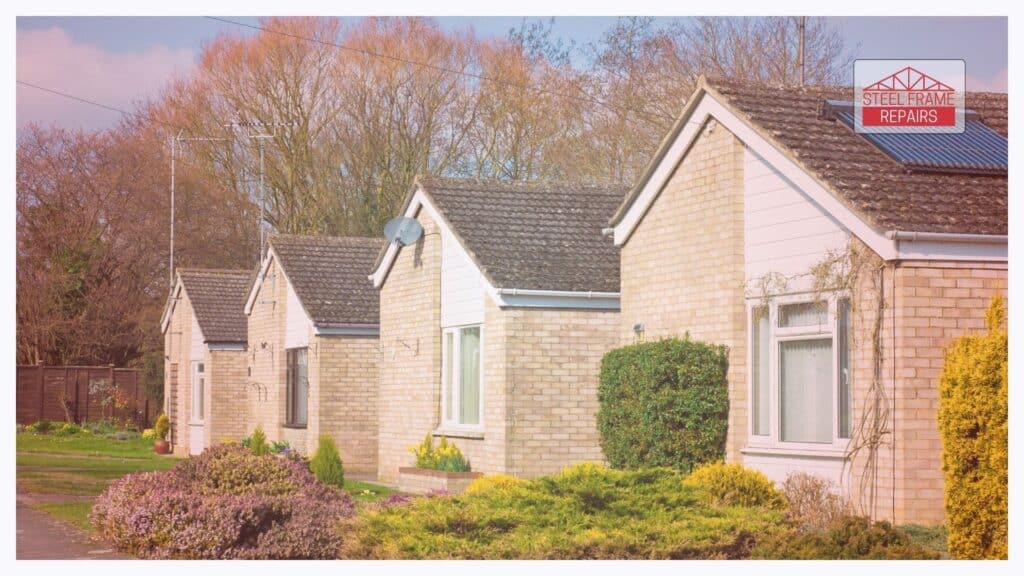
Today, the B1 Aluminium Bungalows that remain serve as a physical reminder of a critical period in British history. While many have been lost to redevelopment and modernisation, there are efforts to preserve the remaining structures. Local communities and heritage organisations recognise the historical value of these post-war homes. Strategies for preservation often involve maintaining the unique architectural features while upgrading essential services. Residents and conservationists face the challenge of balancing modern living requirements with preservation, ensuring that these buildings remain safe and habitable.
To address these concerns, various approaches to enhancing insulation and thermal efficiency are being explored. One effective method is the addition of external wall insulation (EWI) systems, which mitigate the effects of thermal bridging—a common issue in metal-framed houses.
Historical Significance in British Post-War Architecture
The B1 Aluminium Bungalows hold a revered place in British post-war architecture. They stand as a testament to the innovative spirit that emerged in response to the housing crisis. This period marked a shift towards utilising unconventional materials and construction methods to meet urgent societal needs. The Temporary Housing Programme, under which these bungalows were built, demonstrated the potential of prefabricated solutions. This era saw the convergence of necessity and ingenuity, leading to designs that were both functional and groundbreaking.
These bungalows are not only symbols of resilience in a post-war society but also represent a key milestone in the evolution of prefabricated housing. Their design and construction methods laid the groundwork for future innovations in the sector, influencing modern practices.
Lessons Learned for Contemporary Prefabricated Housing Solutions
The experience of designing, constructing, and living in B1 Aluminium Bungalows provides several valuable lessons for contemporary housing solutions. Firstly, the importance of material selection is evident. While aluminium offered benefits of rapid construction and durability, its thermal conductivity highlighted the need for adequate insulation. Modern prefabricated housing must consider the balance between quick assembly and long-term energy efficiency.
Secondly, the approach to prefabrication demonstrated by the B1 bungalows showcases the benefits of modular construction. This method not only shortens construction time but also allows for consistency and quality control. Contemporary prefabricated homes can further enhance these principles with advanced manufacturing technologies and materials, ensuring sustainable and high-quality housing options.
Moreover, the maintenance and adaptability of these bungalows underscore the need for flexibility in design. As living standards evolve, so must housing solutions. Modern prefabricated homes can benefit from designs that allow easy upgrades and modifications, accommodating changing needs without compromising structural integrity.
Living in a B1 Aluminium Bungalow Today
Practical Considerations for Current Owners and Residents
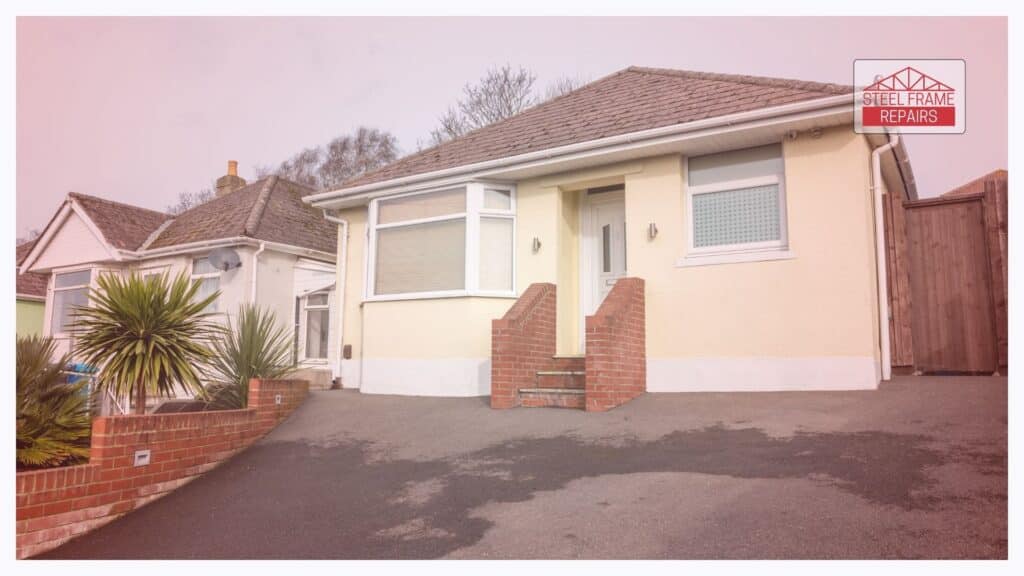
Owning a B1 Aluminium Bungalow today entails a unique set of practical considerations, stemming from its historical design and material usage. Aluminium’s rust-resistant and lightweight qualities contribute to the bungalow’s longevity, but modern residents often have to address issues related to insulation and thermal efficiency. The original insulation methods were rudimentary compared to today’s standards, leading to potential heat loss during winter and excessive heat gain in summer.
To counter these challenges, owners might invest in advanced insulation techniques. This includes retrofitting the bungalow with high-quality insulation materials within the walls, roof, and even the foundational areas. Double glazed windows, which provide an additional layer of thermal protection, can significantly enhance the bungalow’s energy efficiency. Additionally, maintaining the integrity of the aluminium surface by regularly inspecting for any signs of wear and tear, which although rare, could hinder the overall thermal efficiency of the home, is crucial.
Modernisation and Renovation Possibilities
The aluminium structure of these bungalows, while unique, offers several opportunities for modernisation and renovation. One of the first areas that homeowners often look to modernise is the exterior facade. Applying modern render can not only refresh the aesthetic appeal but also improve the weather resistance and insulation of the bungalow.
Interiors of B1 Aluminium Bungalows could benefit from updates such as modern light fixtures and lighter colour schemes to address the original designs that often featured smaller, darker rooms. Introducing large, energy-efficient windows could also significantly increase natural light and ventilation, transforming the living spaces
Another critical aspect of renovation is modernising the bungalow’s infrastructure, such as plumbing and electrical systems, to meet current standards and enhancing safety and functionality.
Energy Efficiency Improvements and Adaptation Options
In response to aluminium’s high thermal conductivity, modern energy efficiency solutions are essential for B1 bungalows. Owners can install energy-efficient windows and doors, which help minimise heat transfer and improve overall energy usage. Weatherstripping around old windows, using insulating curtains or blinds, and applying window films can also help reduce energy costs.
Moreover, adding insulation to the bungalow’s structure – particularly the walls, roof, and floor – can substantially improve thermal performance. Utilising advanced materials such as spray foam insulation or reflective insulation can mitigate the heat exchange properties of aluminium and maintain a more consistent internal temperature throughout the year. It is also recommended to consider insulation methods that cater to the specific climatic conditions of the bungalow’s location.
By embracing modern energy-efficient technologies and materials, owners of B1 Aluminium Bungalows can significantly enhance the liveability and sustainability of their historic homes. These updates not only preserve the architectural integrity of the bungalows but also ensure that they meet contemporary living standards.
Enhancing the energy efficiency and modernising the features of B1 Aluminium Bungalows prepares them for the future while respecting their historical significance. As we continue exploring the intricacies of these unique structures, the lessons learned from their design and construction will prove invaluable for contemporary housing solutions, especially in the context of prefabricated homes.